01
Keep the mix
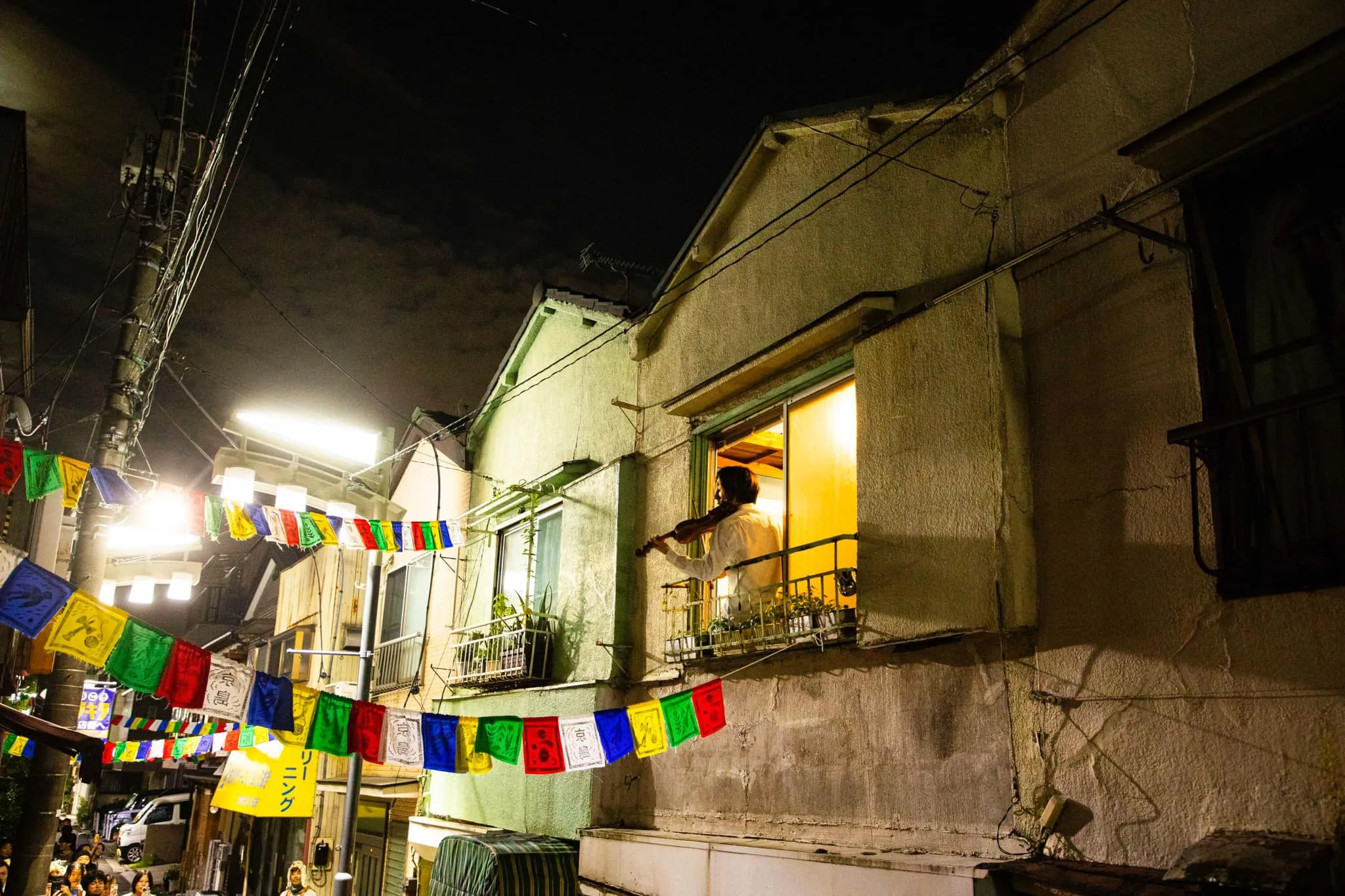
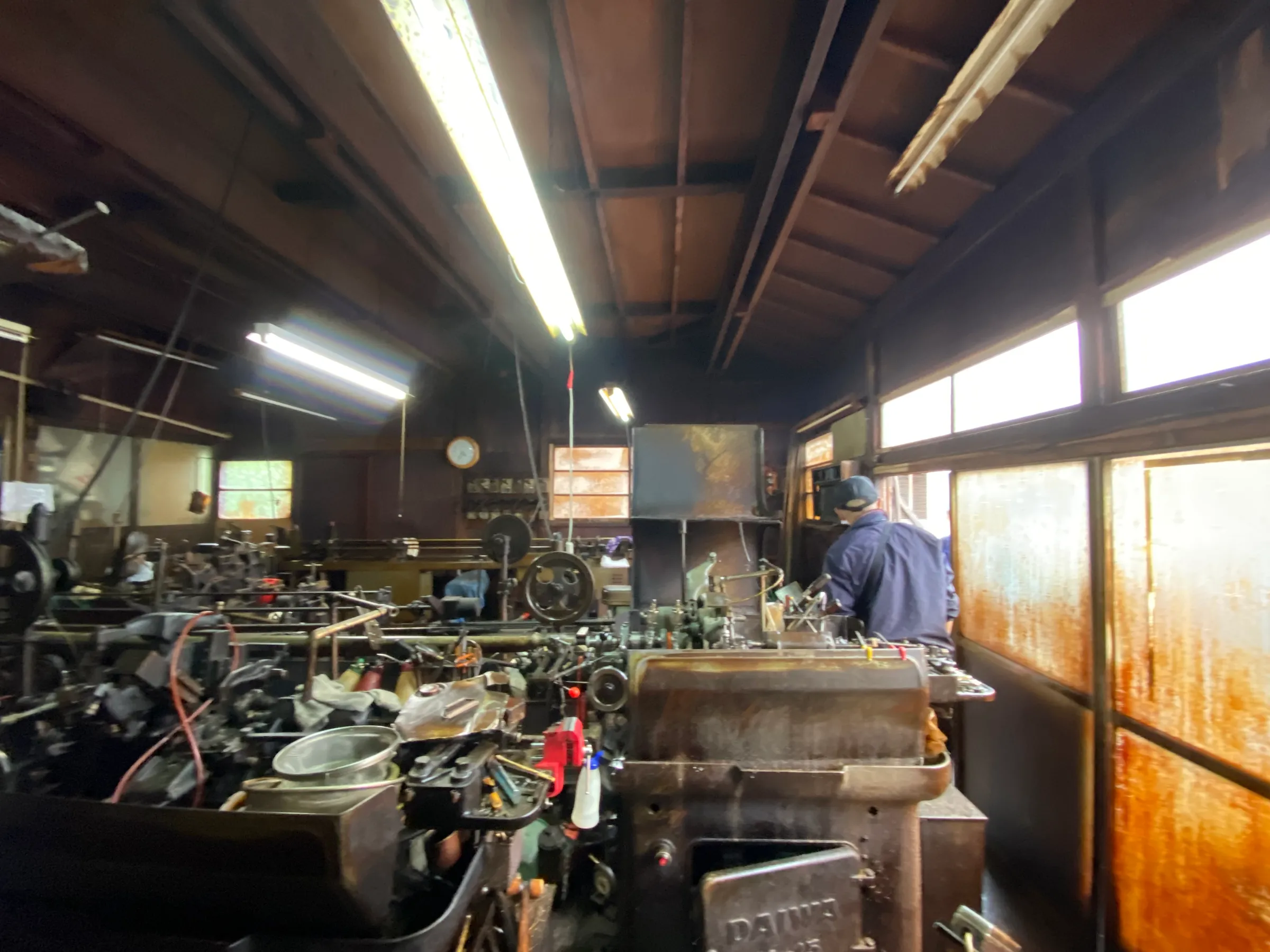
K3 treats the close layering of row houses, alleys, shops, workshops, and art bases as a local resource.
K3
Cultural ecosystem
As rising land prices displace everyday life, traditional culture, and artists' bases, K3 responds by building cultural circulation.
K3 at a glance
Return revenue to local places, creative work, and public programs to keep culture in circulation.
01
K3 treats the close layering of row houses, alleys, shops, workshops, and art bases as a local resource.
02
Economy is necessary, but the center is the environment where culture can keep forming.
03
The aim is not only to raise value, but to avoid replacing the conditions of everyday life and expression.
Background
The term asks not whether a neighborhood changes, but who receives the benefits and carries the costs of that change.
1964 / Ruth Glass
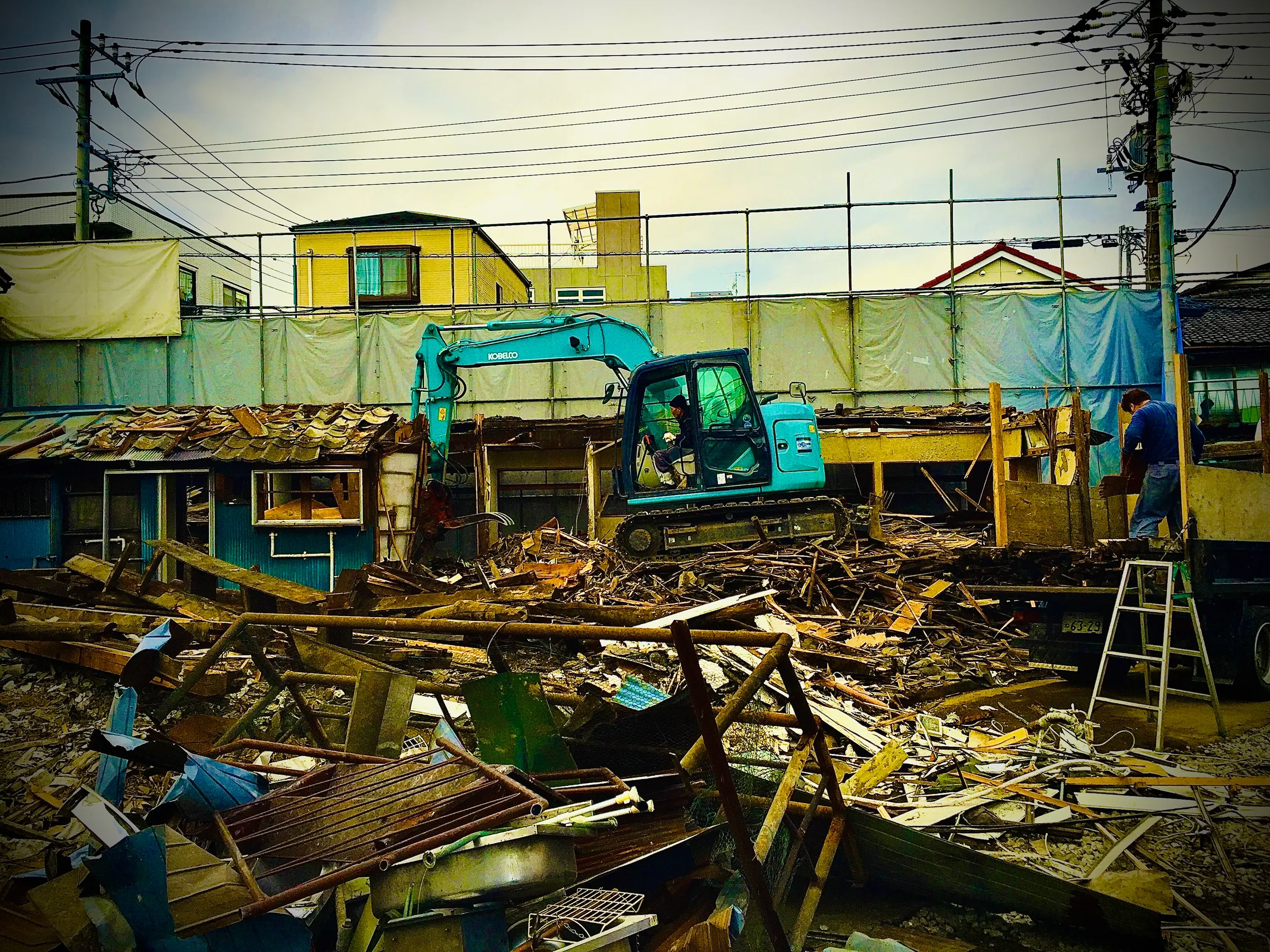
Sociologist Ruth Glass used the term in 1964 to describe middle-class residents moving into working-class London neighborhoods and displacing existing residents and local character.
1960s–1970s / SoHo, New York
Artists turned inexpensive industrial lofts into homes and studios, but the cultural and historic value they created was later converted into real-estate value, followed by commercialization and rising costs.
K3 / Position
K3 works against artists becoming only a force that raises local value. It keeps bases for staying, making, and presenting in the neighborhood so new people can learn, create, and carry culture forward.
Reference
K3 protects local cultural resources in Tokyo's shitamachi and builds a cycle that carries them forward through stays, creative work, and public programs.
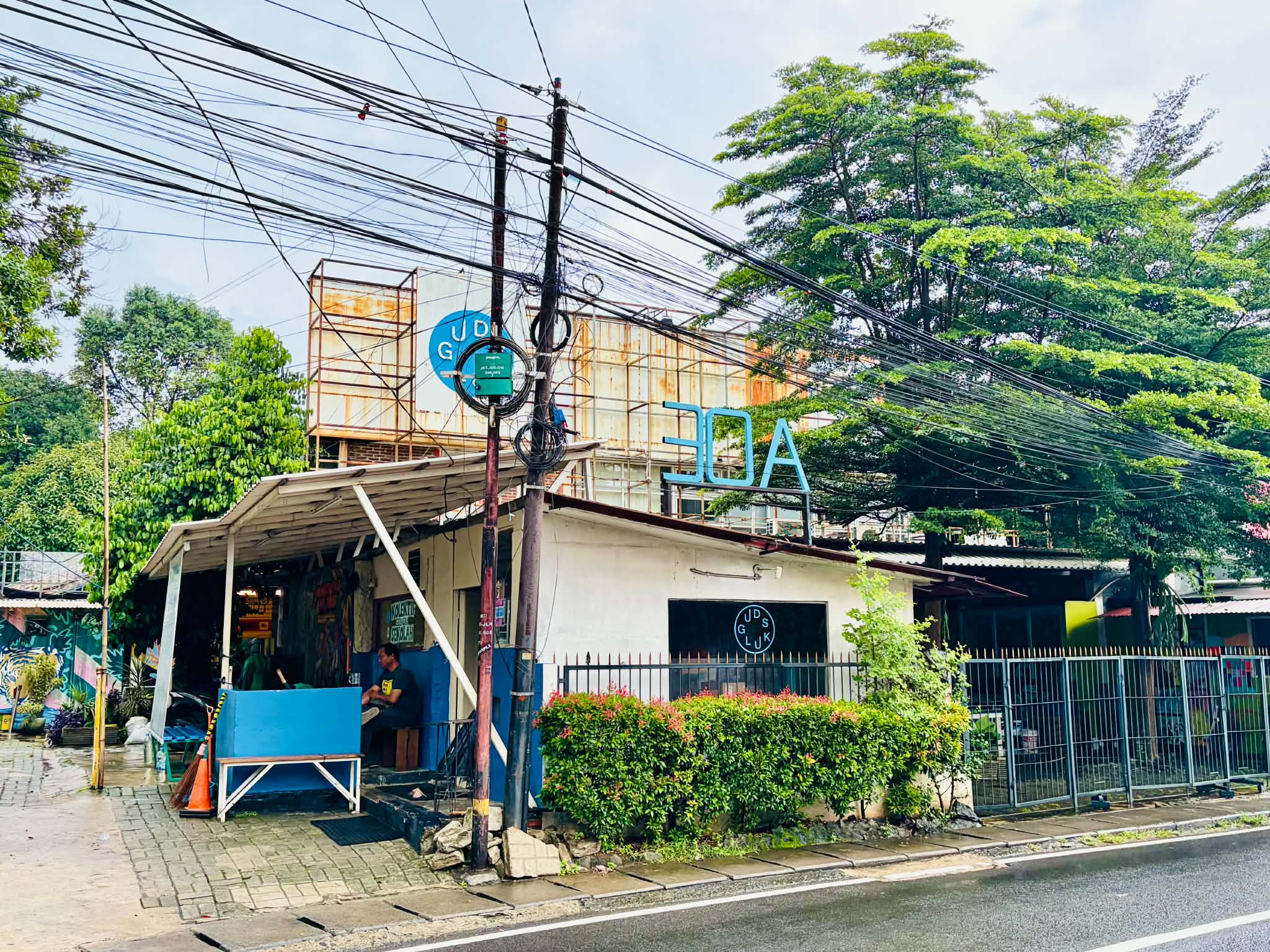
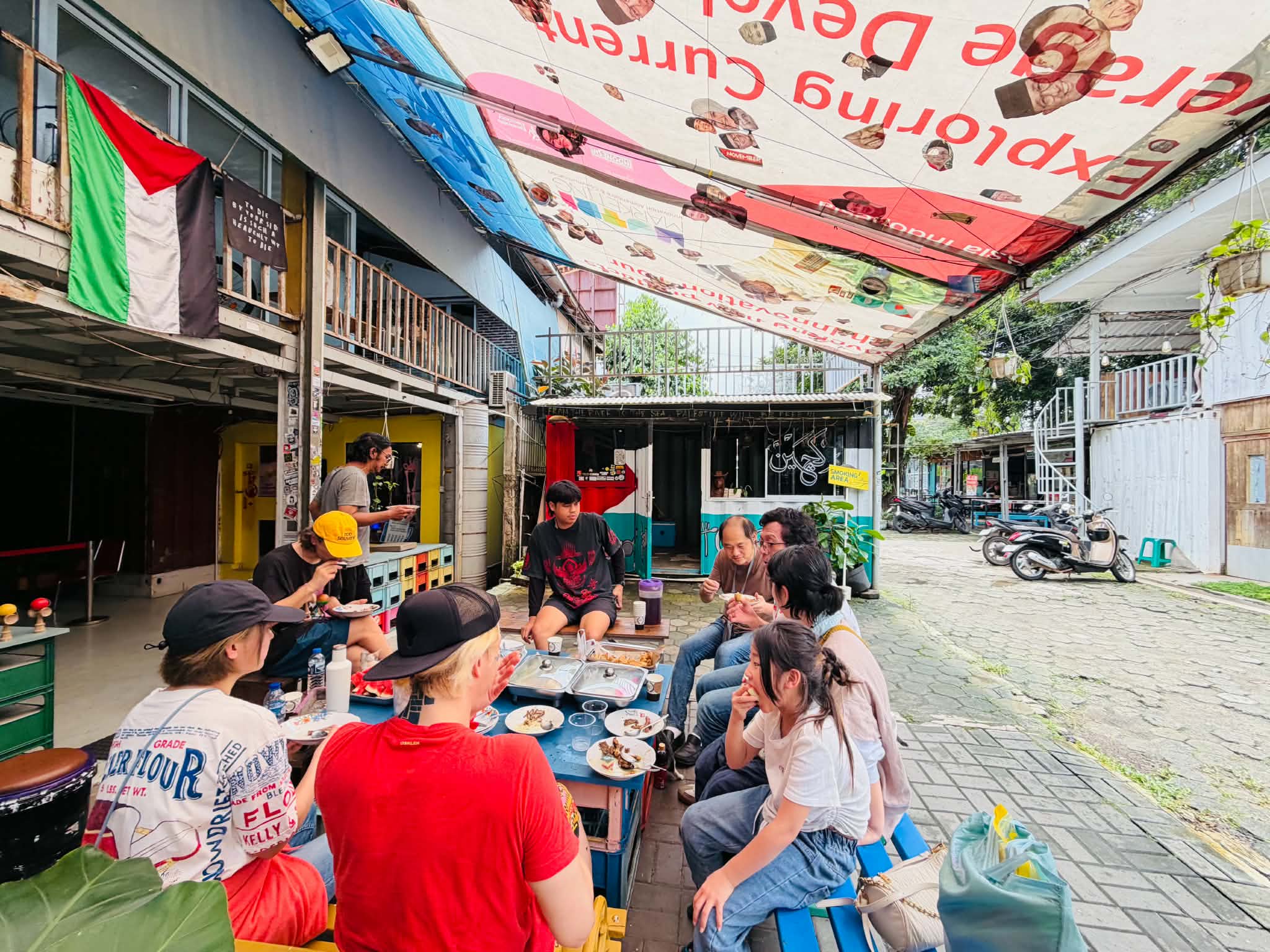
Gudskul / Jakarta
Gudskul is a public learning space for collective study and contemporary art, formed by three Jakarta-based art collectives: ruangrupa, Serrum, and Grafis Huru Hara (GHH).
What is Gudskul? It explores how culture can continue through dialogue, sharing, and collaborative practice—not only through making individual works.
Invitation
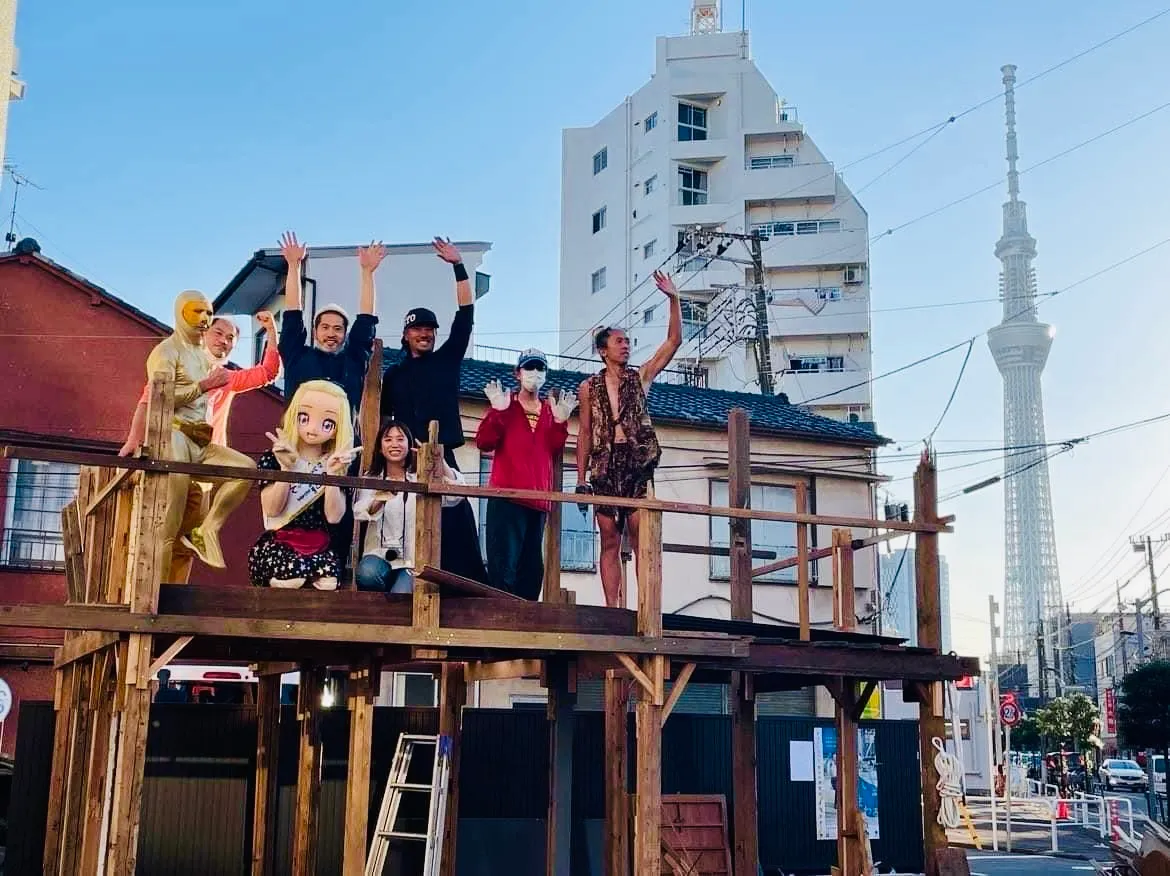
Stay, participate, or support. Find an entry point that fits you and join the cultural cycle in Kyojima.